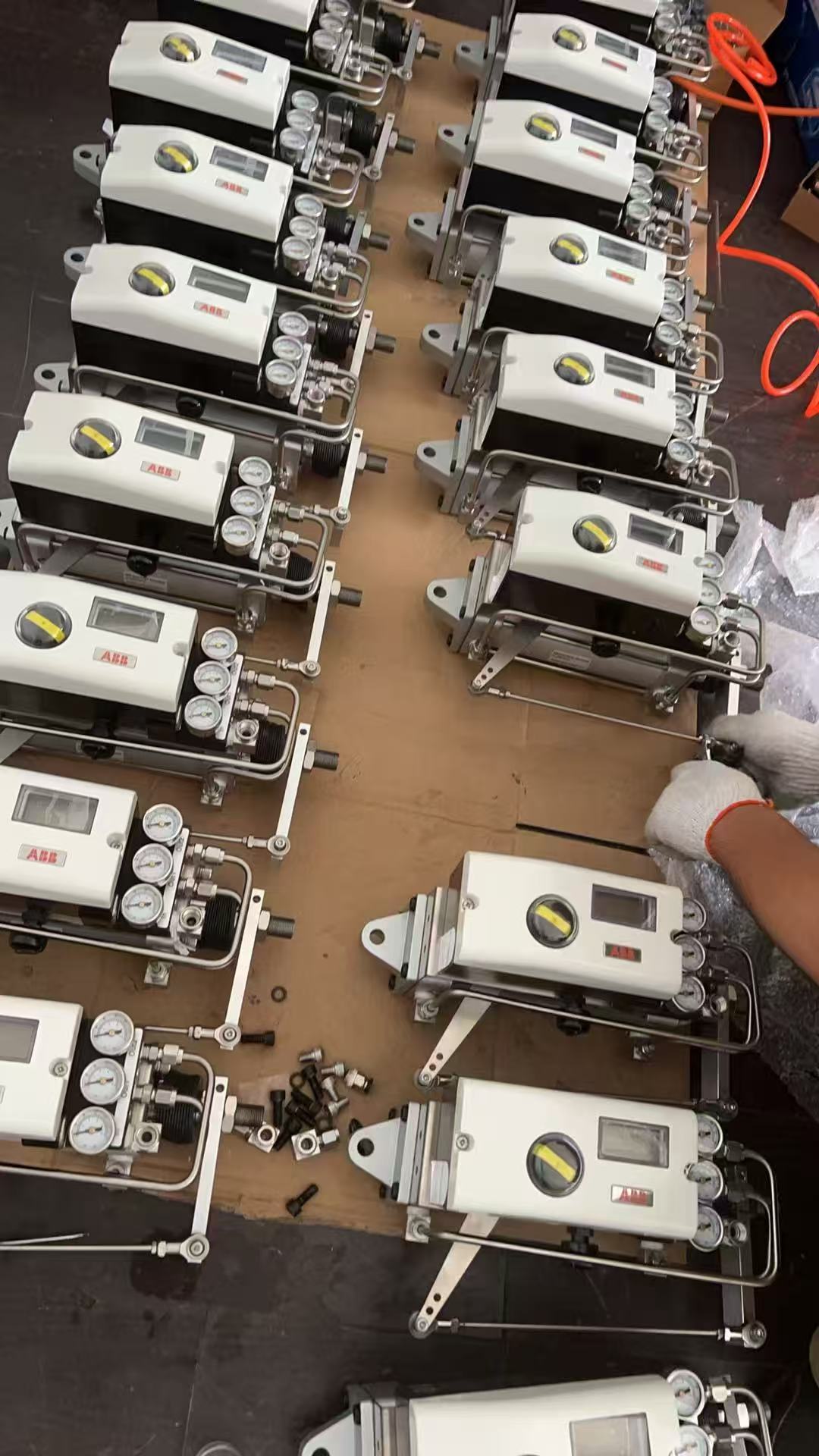
Common Problems and Solutions for ABB V18345-2020521001+LP10BB10010 Positioner + Pneumatic Actuator Complete Set
The ABB V18345-2020521001+LP10BB10010 is a fully integrated positioner + pneumatic actuator system, designed to provide precise valve control in industrial automation. Used in industries like power generation, chemical processing, water treatment, and oil & gas, this complete set combines a high-performance positioner with a robust pneumatic actuator, ensuring accurate and reliable valve operation under demanding conditions.
Despite its industrial-grade design, users occasionally face operational issues that can impact valve performance. This article provides a comprehensive troubleshooting and solutions guide, helping engineers, technicians, and maintenance personnel maximize system reliability.
Long-Tail Keywords: ABB valve control system troubleshooting, ABB integrated actuator solutions, ABB V18345-2020521001 actuator issues, LP10BB10010 maintenance guide
1. Overview of ABB V18345-2020521001+LP10BB10010
The V18345-2020521001+LP10BB10010 integrates a valve positioner (V18345) with a pneumatic actuator (LP10BB10010) into a complete control assembly. Key functions include:
Accurate valve positioning with feedback
Air-powered actuator movement with precise stroke control
High reliability in industrial environments
Integration-ready with DCS and automation control systems
2. Common Problems and Solutions
2.1 Valve Does Not Respond to Positioner Commands
Symptoms:
Valve remains stationary when control signal is applied
Positioner display indicates input signal is received, but actuator does not move
Inspect tubing and fittings for leaks or blockages
Lubricate or adjust actuator linkage and valve stem
Check actuator for internal mechanical obstruction
ALT Text Example: ABB pneumatic actuator failing to move valve
2.2 Valve Position Feedback Incorrect or Unstable
Symptoms:
Positioner shows valve at incorrect position
Valve overshoots or oscillates
Control loops show instability
Possible Causes:
Positioner calibration is off
Mechanical backlash in actuator linkage
Feedback sensor or potentiometer fault
Solutions:
Recalibrate ABB V18345 positioner following manufacturer procedures
Check for mechanical backlash and tighten linkages
Inspect and replace faulty feedback sensor if required
2.3 Slow Actuator Response
Symptoms:
Valve takes longer than specified to reach commanded position
System exhibits lag or delayed control
Possible Causes:
Pneumatic supply pressure below specification
Air line diameter too small or blocked
Worn actuator internal components
Solutions:
Increase air supply pressure to meet actuator requirements
Clean or replace air tubing
Inspect actuator internal parts for wear; replace as necessary
ALT Text Example: Slow response ABB actuator due to air supply issues
2.4 Leaking Pneumatic Actuator
Symptoms:
Audible air leak
Reduced actuator force
Valve fails to maintain position under load
Possible Causes:
Damaged actuator seals
Loose fittings or connections
Contaminated air supply
Solutions:
Replace worn or damaged actuator seals
Tighten all fittings and verify connections
Use filtered, dry air to prevent contamination
2.5 Positioner Display or Control Signal Error
Symptoms:
Positioner does not display correct valve position
Input signal is ignored or fluctuates
Possible Causes:
Wiring issues
Electrical interference
Faulty control signal source
Solutions:
Check wiring and grounding for faults
Ensure control signal is within positioner input specifications
Replace faulty positioner if errors persist
ALT Text Example: ABB V18345 positioner showing incorrect valve position
2.6 Excessive Wear of Mechanical Components
Symptoms:
Actuator linkage or valve stem shows physical wear
Unstable operation or mechanical noise
Possible Causes:
Extended operation without maintenance
High cycle frequency
Lack of lubrication
Solutions:
Lubricate actuator and valve linkage regularly
Inspect components for wear; replace as necessary
Implement preventive maintenance schedule
3. Preventive Maintenance for ABB Positioner + Actuator Systems
To maximize reliability of ABB V18345-2020521001+LP10BB10010:
Regular inspection: Visual inspection of actuator, linkage, and positioner every 3–6 months
Calibration checks: Verify positioner calibration quarterly or after maintenance
Pneumatic system maintenance: Ensure clean, dry, and properly pressurized air supply
Lubrication: Periodically lubricate mechanical linkages and actuator components
Environmental protection: Protect positioners and actuators from extreme temperature, moisture, and dust
Long-Tail Keywords Optimized:
ABB actuator maintenance schedule
ABB positioner calibration guide
Industrial valve actuator troubleshooting
4. Best Practices for ABB V18345-2020521001+LP10BB10010
Use original ABB components for replacement and upgrades
Document all maintenance activities for compliance and reliability
Integrate actuator performance monitoring into DCS or automation system
Replace parts proactively before end-of-life to prevent unplanned downtime
ALT Text Example: Complete ABB positioner and actuator maintenance procedure
5. Conclusion
The ABB V18345-2020521001+LP10BB10010 complete positioner + pneumatic actuator set ensures precise valve control in critical industrial applications. Common issues such as slow response, feedback errors, leaks, or mechanical wear can be mitigated with proper inspection, maintenance, and troubleshooting.
By following the solutions outlined in this guide, engineers can maintain high reliability, long service life, and optimal performance of ABB actuator systems. Proactive care and understanding of the integration between positioner and actuator are key to avoiding downtime and ensuring smooth industrial operations.
Introduction Industrial combustion systems play a critical role in industries such as power generation, petrochemical processing, steel manufacturing, cement production, and boiler automation. In these environments, flame monitoring devices are essential for ensuring combustion stability, operational safety, and equipment protection. The ABB QDDMEE20GP Flame Detector…
Introduction Industrial automation systems depend on stable and reliable power infrastructure to maintain continuous operation, protect sensitive control equipment, and ensure production efficiency. In industries such as power generation, oil and gas, chemical processing, and manufacturing, even a brief power interruption can result in expensive…
ABB DP Series Pneumatic Actuators DP007DA – DP075SR: Technical Overview, Applications, and Selection Guide 1. Introduction to ABB DP Pneumatic Actuators ABB DP series pneumatic actuators are widely recognized for their reliability, compact design, and adaptability in industrial valve automation systems. Designed for small to…