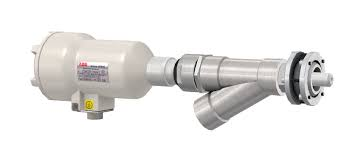
ABB QDDMEE20GP Flame Detector: Common Problems and Troubleshooting Solutions
Introduction
Industrial combustion systems play a critical role in industries such as power generation, petrochemical processing, steel manufacturing, cement production, and boiler automation. In these environments, flame monitoring devices are essential for ensuring combustion stability, operational safety, and equipment protection.
The ABB QDDMEE20GP Flame Detector is widely used in industrial burner management systems to monitor flame conditions in coal-fired and oil-fired combustion applications. Reliable flame detection helps prevent dangerous situations such as fuel accumulation, combustion instability, furnace explosions, and unplanned shutdowns.
However, like any industrial automation device operating in harsh environments, flame detectors may occasionally experience operational issues caused by contamination, environmental stress, electrical interference, or aging equipment.
This comprehensive guide explains the most common problems associated with the ABB QDDMEE20GP flame detector and provides practical troubleshooting solutions, maintenance recommendations, and operational best practices to improve system reliability and combustion safety.
What Is ABB QDDMEE20GP Flame Detector?
The ABB QDDMEE20GP is an industrial flame detection device designed for monitoring combustion flames in boiler and furnace systems. It is commonly used in:
- Coal-fired boilers
- Oil-fired burners
- Industrial furnaces
- Thermal power plants
- Petrochemical combustion systems
- Cement kiln systems
- Waste incineration facilities
The detector continuously monitors flame signals and sends feedback to burner management and combustion control systems.
Its main functions include:
- Flame presence monitoring
- Combustion safety protection
- Burner shutdown control
- Flame stability detection
- Support for automated combustion systems
Reliable flame monitoring is essential for preventing unsafe operating conditions and ensuring stable industrial combustion performance.
Importance of Flame Detection in Industrial Combustion Systems
Combustion systems involve high temperatures, pressurized fuel delivery, and continuous ignition processes. Without accurate flame monitoring, dangerous conditions can develop quickly.
Industrial flame detectors help prevent:
- Fuel accumulation inside furnaces
- Delayed ignition explosions
- Combustion instability
- Equipment overheating
- Boiler shutdown incidents
- Unsafe operating conditions
Modern industrial safety regulations require reliable flame monitoring systems to protect both personnel and equipment.
Common Problems with ABB QDDMEE20GP Flame Detector
One of the highest-search-volume topics related to industrial flame detectors is troubleshooting unstable flame signals and false alarms. Below are the most common issues encountered in real industrial environments.
1. Flame Detector Cannot Detect Flame
Symptoms
- Burner fails to remain ignited
- Flame signal remains low
- Control system triggers flame failure alarm
- Automatic shutdown occurs shortly after ignition
Possible Causes
Dirty Optical Lens
Dust, soot, ash, or oil contamination may block the detector’s optical path.
Incorrect Detector Alignment
Improper installation angle may prevent the detector from viewing the flame correctly.
Weak Flame Intensity
Poor combustion conditions can reduce flame visibility.
Damaged Internal Components
Aging electronics or sensor damage may reduce detection sensitivity.
Solutions
Clean the Detector Lens
Regularly clean the optical surface using approved cleaning materials.
Verify Detector Position
Ensure the detector is correctly aligned with the burner flame.
Inspect Combustion Conditions
Check fuel supply, air flow, and burner operation.
Test Signal Output
Use diagnostic equipment to verify detector signal performance.
Replace Faulty Components
If internal damage is confirmed, replace the detector or affected parts.
2. False Flame Detection
Symptoms
- Flame signal appears when burner is off
- Unexpected burner start prevention
- False combustion status displayed
Possible Causes
Excessive Background Radiation
High-temperature furnace walls may create interference.
Reflected Light Interference
Nearby burners or reflective surfaces can affect detection.
Electrical Noise
Poor grounding or electromagnetic interference may create false signals.
Solutions
Adjust Detector Sensitivity
Configure sensitivity settings according to burner conditions.
Improve Shielding
Install protective shielding to reduce optical interference.
Check Electrical Grounding
Proper grounding helps reduce signal noise.
Reposition Detector
Adjust viewing angle to eliminate reflected radiation sources.
3. Unstable Flame Signal
Symptoms
- Flame signal fluctuates continuously
- Burner trips intermittently
- Combustion control instability
Possible Causes
Combustion Instability
Improper air-to-fuel ratio may cause unstable flame conditions.
Vibration
Mechanical vibration can affect detector alignment.
Dirty Viewing Window
Contamination may partially block the optical signal.
Electrical Connection Problems
Loose wiring can interrupt signal transmission.
Solutions
Stabilize Combustion Process
Optimize burner tuning and fuel-air ratio.
Inspect Mounting Hardware
Secure detector mounting brackets firmly.
Clean Viewing Components
Maintain clean optical pathways.
Tighten Electrical Connections
Inspect and secure all wiring terminals.
4. Frequent Burner Shutdowns
Symptoms
- Unexpected emergency shutdowns
- Flame failure alarms during operation
- Reduced production efficiency
Possible Causes
Intermittent Flame Detection
Weak or unstable signals may trigger safety shutdowns.
Sensor Aging
Long-term operation can reduce detector responsiveness.
Environmental Stress
Extreme heat and dust exposure may affect performance.
Solutions
Perform Preventive Maintenance
Routine inspections help identify issues before shutdowns occur.
Replace Aging Detectors
Older units should be upgraded before reliability declines.
Improve Cooling and Ventilation
Reduce excessive environmental temperatures around equipment.
5. Communication Problems with Control System
Symptoms
- Signal transmission errors
- Communication loss with burner management system
- Delayed response alarms
Possible Causes
Wiring Problems
Damaged or loose cables can interrupt communication.
Power Supply Instability
Unstable power affects signal reliability.
Electromagnetic Interference
Nearby heavy electrical equipment may create communication noise.
Solutions
Inspect Wiring
Check cable integrity and terminal connections.
Verify Stable Power Supply
Ensure control systems receive consistent voltage.
Improve Cable Shielding
Use shielded industrial cables where necessary.
Real Industrial Case Study
Project Background
A thermal power plant operating coal-fired boilers experienced repeated flame failure alarms affecting boiler stability.
The combustion system used multiple flame detectors for burner monitoring.
The plant reported:
- Unexpected burner trips
- Increased maintenance workload
- Production interruptions
- Combustion instability alarms
Investigation Process
The engineering team conducted a full system inspection.
Key findings included:
- Heavy dust contamination on detector lenses
- Detector misalignment caused by vibration
- Poor grounding in one control cabinet
- Aging electrical connections
Corrective Actions
The maintenance team implemented several improvements:
- Cleaned all flame detector optical surfaces
- Realigned detector mounting positions
- Improved cabinet grounding
- Replaced damaged wiring
- Optimized burner combustion settings
Results After Troubleshooting
Following corrective maintenance, the plant achieved:
- Stable flame signal performance
- Reduced burner shutdown frequency
- Improved combustion stability
- Lower maintenance workload
- Increased boiler operational reliability
This case demonstrated the importance of regular flame detector maintenance and proper system integration.
Maintenance Best Practices for ABB QDDMEE20GP
Regular Lens Cleaning
Dust and soot accumulation are common causes of signal problems.
Verify Alignment Periodically
Mechanical vibration may gradually shift detector position.
Inspect Wiring Connections
Loose terminals increase communication instability risks.
Monitor Combustion Conditions
Stable burner operation improves flame detection accuracy.
Maintain Spare Inventory
Critical facilities should stock backup flame detectors.
Benefits of Reliable Flame Detection Systems
Industrial facilities using reliable flame monitoring systems benefit from:
- Improved combustion safety
- Reduced shutdown risk
- Higher production efficiency
- Better burner performance
- Lower maintenance costs
- Enhanced equipment protection
- Compliance with industrial safety standards
Future Trends in Industrial Flame Detection
Industrial combustion technology continues evolving toward smarter automation systems.
Emerging trends include:
- Intelligent flame diagnostics
- Predictive maintenance
- Remote monitoring
- Advanced combustion analytics
- Digital burner management integration
- AI-based combustion optimization
Reliable flame detectors will remain critical components in modern industrial safety systems.
Why Industries Choose ABB Flame Detection Solutions
ABB is widely recognized for advanced industrial automation and combustion safety technology.
Industrial users value ABB products for:
- High reliability
- Long operational lifespan
- Strong industrial compatibility
- Proven safety performance
- Global technical support
- Advanced engineering quality
The QDDMEE20GP continues supporting critical combustion systems across many industries worldwide.
Conclusion
The ABB QDDMEE20GP flame detector is an essential component in industrial combustion safety systems. Its ability to provide accurate and reliable flame monitoring helps industries maintain stable combustion performance while reducing operational risk.
Most flame detector issues can be resolved through proper maintenance, accurate alignment, stable combustion control, and regular inspection procedures.
For facilities operating boilers, furnaces, and industrial burners, investing in reliable flame detection technology is critical for improving safety, minimizing downtime, and enhancing production efficiency.
The ABB QDDMEE20GP remains a dependable solution for industrial flame monitoring applications requiring long-term reliability and high operational performance.