Industrial combustion systems require highly reliable flame monitoring equipment to maintain operational safety, combustion efficiency, and uninterrupted production. In industries such as thermal power generation, petrochemical processing, steel manufacturing, cement production, and industrial boiler automation, flame scanners play a critical role in burner management systems.
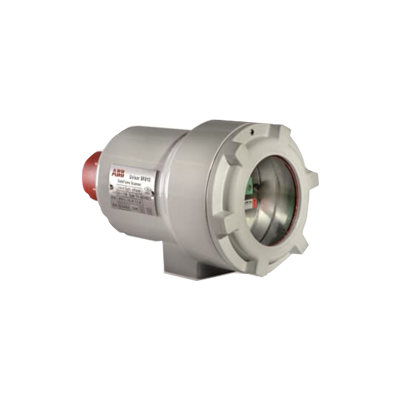
The ABB SF810-LOS-IR-TL-C-W Flame Scanner is designed for monitoring combustion flames in demanding industrial environments. By continuously detecting flame signals from burners and furnaces, the scanner helps ensure safe ignition, stable combustion, and rapid shutdown during unsafe operating conditions.
However, harsh operating environments can sometimes affect flame scanner performance. Problems such as unstable flame signals, false flame detection, communication errors, and contamination-related failures are common challenges in industrial combustion systems.
This comprehensive guide explores the most common issues associated with the ABB SF810-LOS-IR-TL-C-W flame scanner and provides practical troubleshooting methods, maintenance recommendations, and operational best practices to improve combustion reliability and system safety.
What Is ABB SF810-LOS-IR-TL-C-W Flame Scanner?
The ABB SF810-LOS-IR-TL-C-W is an industrial flame scanner designed to monitor combustion flames in oil-fired, coal-fired, and gas-fired burner systems. It uses infrared flame detection technology to identify flame presence and transmit combustion status signals to burner management systems.
The scanner is commonly installed in:
Thermal power plants
Industrial boilers
Petrochemical furnaces
Steel manufacturing facilities
Cement kilns
Waste incineration systems
Refinery combustion systems
The scanner helps ensure safe burner operation by monitoring flame stability and triggering safety shutdowns if flame loss occurs.
Key Features of ABB SF810-LOS-IR-TL-C-W
Infrared Flame Detection Technology
Infrared sensing improves flame detection accuracy under difficult combustion conditions.
High Reliability
Designed for continuous industrial operation in harsh environments.
Fast Flame Response
Rapid flame detection helps improve burner safety and response time.
Industrial Durability
The scanner is engineered to resist:
High temperatures
Dust contamination
Mechanical vibration
Electrical interference
Humidity exposure
Compatibility with Burner Management Systems
The scanner integrates with modern combustion safety and automation systems.
Why Flame Scanners Are Important in Industrial Combustion Systems
Industrial combustion systems involve high-pressure fuel delivery and extremely high operating temperatures. Accurate flame detection is essential for preventing dangerous operating conditions.
Reliable flame scanners help prevent:
Furnace explosions
Fuel accumulation
Delayed ignition incidents
Combustion instability
Equipment damage
Production shutdowns
Modern industrial safety standards require dependable flame monitoring systems for safe burner operation.
Common Problems with ABB SF810-LOS-IR-TL-C-W Flame Scanner
One of the most searched topics related to industrial flame scanners is troubleshooting unstable flame signals and false alarms. The following sections explain the most common operational problems and their solutions.
1. Flame Scanner Cannot Detect Flame
Symptoms
Burner shuts down shortly after ignition
Flame signal remains weak or zero
Flame failure alarms appear
Boiler ignition sequence fails
Possible Causes
Dirty Scanner Lens
Dust, soot, ash, or oil contamination may block infrared detection.
Incorrect Installation Angle
Improper alignment can prevent the scanner from accurately viewing the flame.
Weak Combustion Flame
Insufficient fuel or unstable air supply may reduce flame intensity.
Internal Component Failure
Sensor aging or internal electronics damage may reduce scanner sensitivity.
Solutions
Clean the Optical Lens
Regularly remove contamination using approved cleaning materials.
Verify Scanner Alignment
Ensure the scanner directly views the burner flame zone.
Inspect Burner Conditions
Check fuel pressure, ignition systems, and air-to-fuel ratio.
Perform Signal Testing
Use diagnostic tools to verify scanner signal output.
Replace Faulty Components
Replace damaged sensors or aging scanners when necessary.
2. False Flame Detection
Symptoms
Flame signal appears when burner is off
Burner startup sequence is blocked
False combustion alarms occur
Possible Causes
High Furnace Radiation
Hot refractory surfaces may create infrared interference.
Reflection from Adjacent Burners
Nearby flames may affect scanner readings.
Electrical Noise
Poor grounding or electromagnetic interference can generate false signals.
Solutions
Adjust Scanner Sensitivity
Configure scanner settings according to combustion conditions.
Improve Scanner Positioning
Avoid reflective surfaces and nearby flame interference.
ABB has established a strong reputation in industrial automation and combustion safety.
Industrial users trust ABB products because of:
Proven reliability
Long operational lifespan
Advanced engineering technology
Global technical support
Strong industrial compatibility
High safety performance
The ABB SF810-LOS-IR-TL-C-W continues to provide dependable flame monitoring performance in demanding industrial applications.
Conclusion
The ABB SF810-LOS-IR-TL-C-W flame scanner is an essential component in industrial combustion safety systems. Its infrared flame detection technology helps industries maintain stable combustion conditions while improving operational safety and reducing downtime risks.
Most operational issues can be resolved through proper maintenance, accurate alignment, stable combustion tuning, and regular inspection procedures.
For facilities operating industrial boilers, furnaces, and combustion systems, investing in reliable flame scanning technology is critical for improving efficiency, protecting equipment, and maintaining safe production environments.
The ABB SF810-LOS-IR-TL-C-W remains a trusted solution for industrial flame monitoring applications requiring long-term reliability and high-performance combustion safety.
Powering Modern Industry: A Comprehensive Guide to ABB Bailey Cable Solutions In the world of industrial automation, energy distribution, and robust infrastructure, the quality and reliability of cable systems are non-negotiable. ABB Bailey stands at the forefront of this critical sector, engineering cables that deliver…
ABB Burry Cables: Complete Guide to NKAS, NKCL, NKDO, and NKDS Series ABB Burry cables are renowned worldwide for their reliability, durability, and high performance in industrial applications. This guide provides an in-depth overview of ABB Burry cable series, including NKAS01-15/10/20/25/30, NKAS11-15/10/20/25/30, NKCL01-15/20/25/30/50/100, NKCL01B-5, NKCL02B-5,…
ABB Burry Cables: High-Quality Industrial Power and Control Solutions ABB Burry cables are renowned for their reliability, durability, and high-performance in industrial environments. This comprehensive guide explores the full range of ABB cables, connectors, and panels, including models 1948509A5, 6637636A1-15/10/20/25/30, 6637818A1, 6638748A1, 6642335A1-15, 6CABLE-15, DIPSHUNT…